Giving Thanks: Building a Life of Connection After 55
As the leaves come down across the Shenandoah Valley and Thanksgiving gets closer, it is a natural time to take stock. Gratitude has a way of pointing at what matters most, and for most people that list is made of people: family, old friends, the neighbor who waves every morning.
The direct answer to building a life of connection after 55 is this: connection grows from frequent, easy contact with people you like, in places you share. It rarely comes from big plans. It comes from small, repeated moments that add up to belonging.
The nuance is that the circumstances that made connection easy earlier in life often fade. Children grow up, workplaces are left behind and longtime neighbors move away. This guide looks at how to rebuild that sense of belonging after 55, what a 55+ active adult community like The Village at Mint Spring changes, and why this season is a good time to think about it.
Connection After 55: Quick Answer
Here is how the everyday building blocks of connection compare between a typical single-family neighborhood and a 55+ active adult community.
| Building block | Typical single-family neighborhood | 55+ active adult community |
|---|---|---|
| Chance encounters | Occasional, often from the driveway | More chances, with trails, pickleball, bocce and shared spaces in the community |
| Neighbors' stage of life | Mixed, often busy with work and children | Similar stage of life, 55 and up |
| Places to gather | Usually requires driving somewhere | Clubhouse, game room and library |
| Amenities | Whatever you join or build | Fitness center, pickleball, bocce, trails, dog park |
| Free time for people | Reduced by yard work and repairs | Lawn care, snow removal, pest control, trash and repairs included |
| Hosting family | Possible, with the full prep load | Your own home, with less upkeep around it |
Why Connection Gets Harder After 55
Few people set out to become less connected. It happens gradually, through changes that each make sense on their own.
- Work ends. A workplace supplies daily conversation without any effort. Retirement removes it overnight.
- Children leave. School events, sports and the friendships that came with them fade.
- Neighbors change. Longtime friends on the street move away and younger families move in.
- The house takes time. Upkeep fills the hours that could go to people.
- Distance grows. When seeing anyone requires a drive, it happens less often.
None of these is anyone's fault, and all of them are fixable. The first step is noticing that connection used to arrive automatically and now needs a little more help.
Small, Frequent Moments Build Belonging
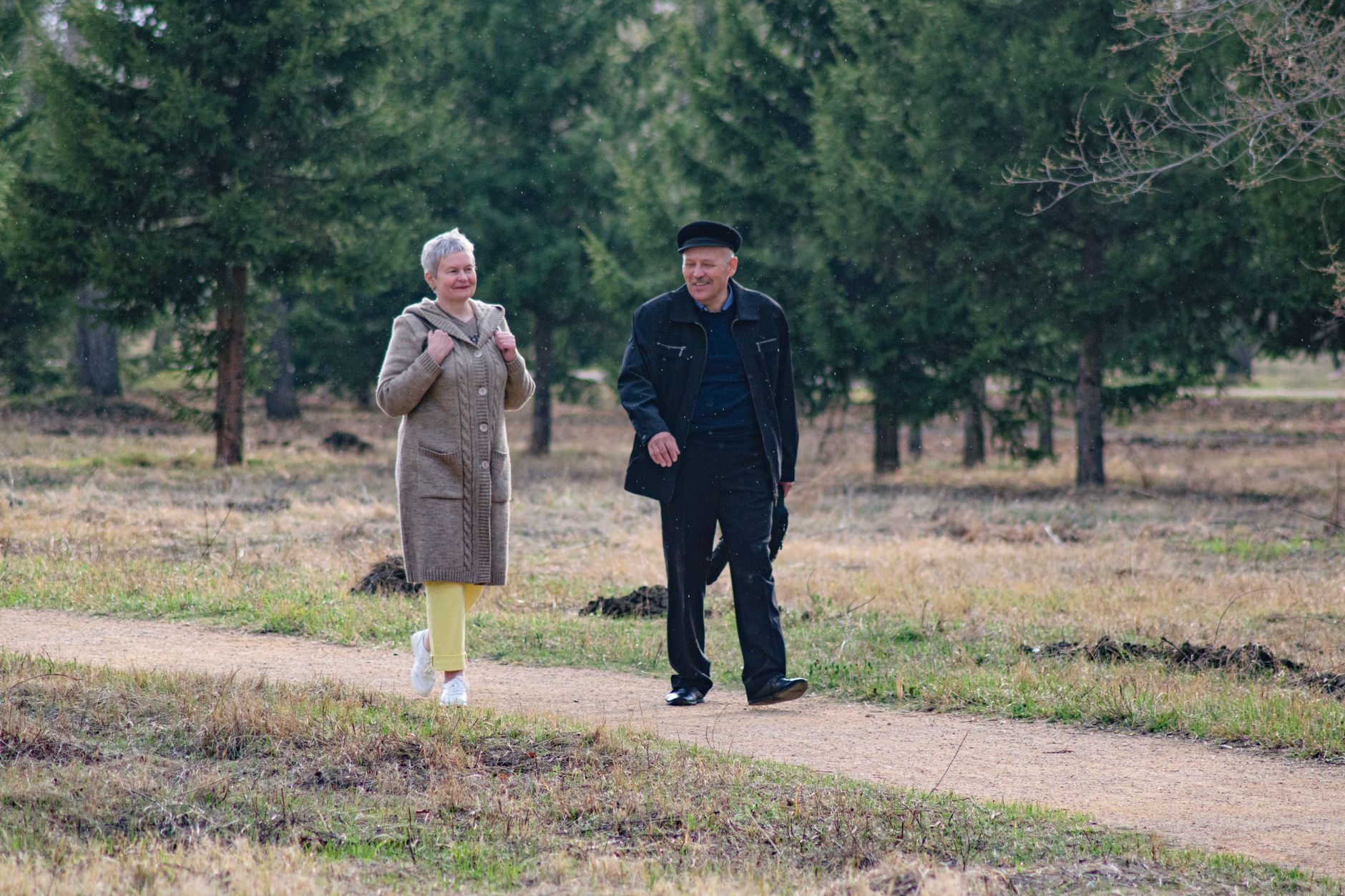
What makes a neighborhood feel like home is rarely grand. It tends to be ordinary and repeated: a regular walk, a familiar face, a standing game with the same few people. Belonging is built from repetition.
That has practical implications for anyone hoping to build a fuller social life after 55:
- Be where people are, regularly. The same walk at the same time leads to familiar faces.
- Join one thing and stick with it. A weekly game does more than a dozen one-off events.
- Say yes early. In a new place, the first few weeks are when invitations come most easily.
- Introduce yourself first. It feels awkward for a moment and pays off for years.
- Offer something. A recipe, a ride, a hand with a puzzle. Generosity starts friendships.
These habits work anywhere. They simply work faster in a setting designed to bring neighbors together.
How a 55+ Community Makes Connection Easier
A 55+ active adult community does not manufacture friendships. It removes the obstacles that keep them from forming. Here is how we approach it at The Village at Mint Spring.
- Shared spaces. Our clubhouse, game room and library give neighbors places to cross paths.
- Amenities that invite company. Pickleball and bocce are hard to play alone, which is the point.
- Reasons to be outside. Trails and a dog park give you reasons to step out the door.
- A 55+ active adult community. Neighbors share a similar stage of life, which gives you common ground.
- Time freed from upkeep. We include lawn care, snow removal, pest control, trash and repairs, so weekends belong to you.
Just as important, participation is a choice. You can be at the clubhouse every afternoon or keep mostly to yourself. A good community makes connection available without making it compulsory.
If you are new to a community or planning a move this season, the post on settling into a new 55+ community in the fall has practical tips for the first few weeks.
Gratitude, Family and the Holidays
The season of thanks is also the season of family. For many people, that means hosting, traveling or both, and the house itself can make that harder than it needs to be. Raking before guests arrive, clearing a path if the weather turns, fixing what broke the week before. The work can crowd out the reason for the gathering.
Living in a maintenance-free 55+ community changes the arithmetic. Your home is still your own, to cook in and fill with people. What disappears is much of the work around it. That leaves more energy for what the holidays are actually about.
Family is also part of the decision itself. Adult children often want to be involved when a parent considers a move, and including them early tends to make everyone more comfortable. The guide to talking to your adult children about moving to a 55+ community offers a way to start that conversation.
A Simple Gratitude Practice for the Season
Gratitude and connection feed each other. Noticing the people who make your days better tends to make you reach out to them more, and reaching out tends to give you more to be grateful for. A few simple habits make that cycle easier to start this fall.
- Name three people each week. Write down who made the week better and why. It takes two minutes and sharpens your sense of who matters.
- Tell one of them. A short note, a call or a word in passing. People rarely hear how much they are appreciated.
- Revive one old connection. The friend you meant to call last spring would almost certainly like to hear from you.
- Make one new one. Invite a newer neighbor for coffee or a walk. Someone has to go first.
- Share a table. A meal with others, even a simple one, is one of the oldest ways to build belonging.
None of this requires moving anywhere. It works in any neighborhood in Staunton or Augusta County. What a community changes is how many chances you get each week to put it into practice, and how little stands in the way.
It can also help to look back as well as forward. Think about the places where you felt most at home in the past, whether a workplace, a street where children played together or a congregation. Ask what those places had in common. For most people the answer includes regular contact, shared space and a sense that others noticed when they were missing. Those are the conditions worth recreating now.
Making the First Move in a New Place
For anyone who has recently moved, or is planning to, the first months set the pattern. People who settle in quickly tend to do a few things in common. They turn up to things before they feel fully unpacked. They pick one or two regular activities and keep going. They learn names and use them. And they accept that the first conversation with a new neighbor will be slightly awkward and do it anyway.
In a 55+ community, your neighbors are at a similar stage of life, which gives you plenty to talk about from the first day. A friendly question at the dog park or over a game of bocce is often all it takes.
Connection Beyond the Community
A full life after 55 is not limited to one neighborhood. We are at 14 Wrights Way in Staunton, and the wider Staunton and Augusta County area has churches, clubs and volunteer groups of its own.
The wider Shenandoah Valley also offers plenty of ways to meet people with shared interests:
- Downtown Staunton has theater, music, restaurants and markets that make for easy outings with friends.
- Volunteering with local organizations connects you with people who share your interest in the same causes.
- Outdoor groups walk and hike the Blue Ridge, Skyline Drive and trails around Augusta County.
- Faith communities remain a central social anchor for many people.
- Classes and clubs for gardening, books, cards and crafts turn hobbies into friendships.
A shuttle is also among our amenities, so ask us how it works when you call.
What You Stop Doing, and What You Gain
The trade at the heart of a 55+ community is simple. You stop doing the work a single-family home demands, and you get that time back for people.
- No more mowing on Saturday morning when friends are heading out for pickleball
- No more shoveling before you can get out the door after a storm
- No more waiting at home for a repair contractor
- No more hauling trash to the curb or scheduling pest treatments
What you gain is harder to list but easy to recognize: an afternoon game, an unplanned conversation, a walk with a neighbor, an evening with family that did not start with a chore list. That is the part of the trade most worth being grateful for.
About The Village at Mint Spring
The Village at Mint Spring is a 55+ active adult community in Staunton, built for people who want a connected, maintenance-free lifestyle.
- A 55+ active adult community at 14 Wrights Way, Staunton, VA.
- Homes: duplex homes, townhomes and apartment homes.
- Maintenance included: lawn care, snow removal, pest control, trash and repairs.
- Shared spaces: clubhouse, game room and library.
- Ways to stay active: fitness center, PT space, pickleball, bocce, trails and a dog park.
- A resident shuttle for getting around.
Find Your Community in Staunton
If building a more connected life after 55 is on your mind this season, call The Village at Mint Spring at (540) 515-5054 and we will answer your questions about our homes and amenities. You can also schedule a tour.
Frequently Asked Questions
How do you build connection after 55?
Connection after 55 grows from frequent, easy contact with people in places you share. Walk the same routes regularly, join one activity and stick with it, say yes to early invitations and introduce yourself first. Living where neighbors cross paths every day makes all of this much easier.
Is it hard to make friends after moving to a 55+ community?
It is usually easier than in a typical neighborhood. Neighbors are at a similar stage of life, and shared spaces such as a clubhouse, game room, library, trails, pickleball and bocce create everyday chances to meet. The first few weeks after moving in are often when invitations come most easily.
Do I have to take part in activities at a 55+ community?
No. At The Village at Mint Spring, our amenities such as the clubhouse, game room, library, pickleball, bocce and trails are there to use when you want. You can use them most days or keep mostly to quiet time at home. Connection is available without being compulsory, and you set your own level of involvement.
Can I still host family for the holidays in a 55+ community?
Yes. Your home is your own, to cook in and fill with family. At The Village at Mint Spring, we include lawn care, snow removal and repairs, so much of the preparation around the house disappears, which leaves more energy for the gathering itself.
Will moving to a 55+ community cut me off from my current friends?
It does not have to. The Village at Mint Spring is at 14 Wrights Way in Staunton, so if you already live in Staunton or Augusta County, a move there keeps you in the same area as your churches, clubs and friendships while adding new neighbors.
When is a good time to visit a 55+ community?
Any time you are curious, before you feel any pressure to decide. Autumn is a pleasant season to visit in the Shenandoah Valley, and a weekday visit shows the ordinary rhythm of the community. Bringing family along helps everyone share the same picture.